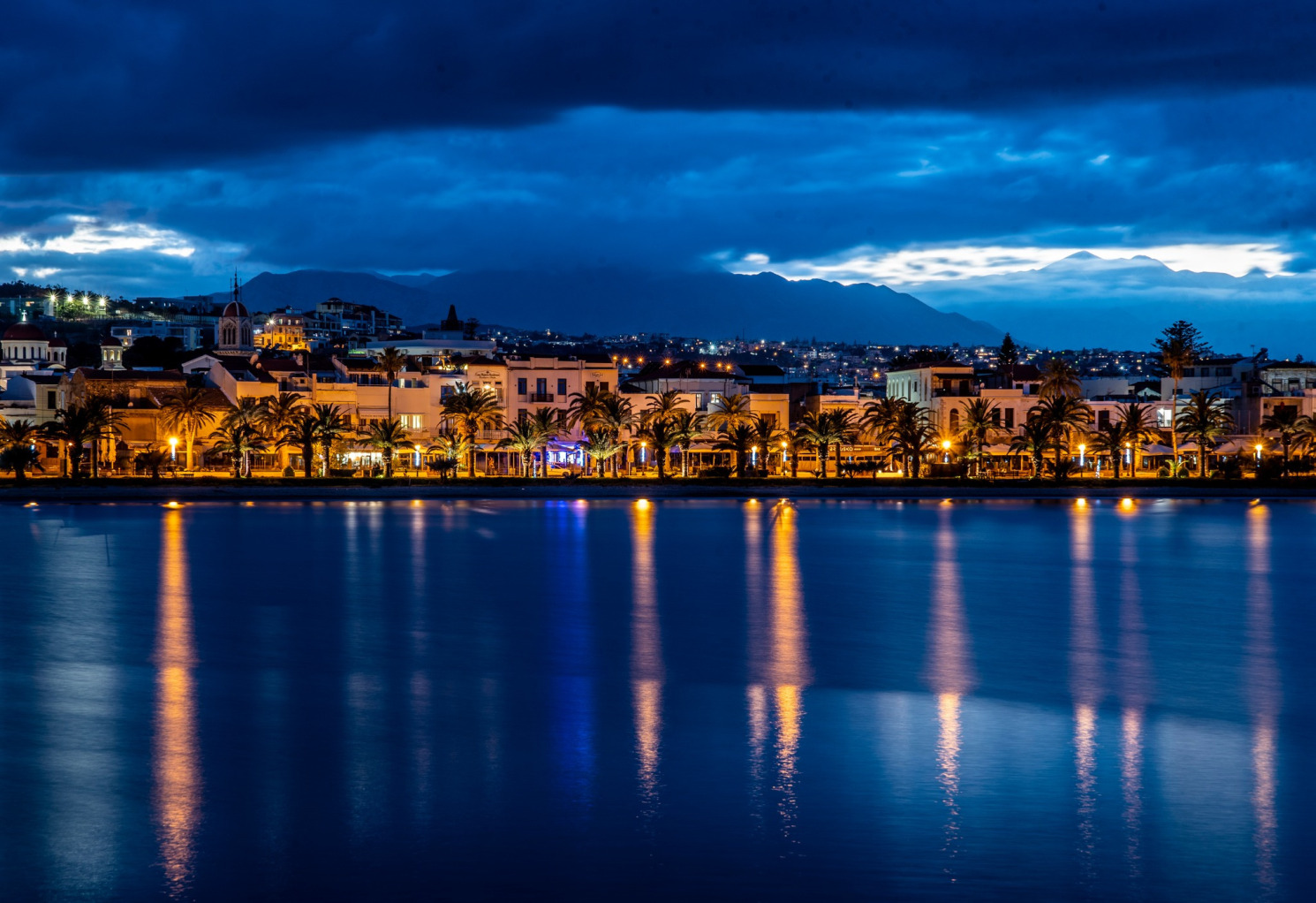
Explorer Rethymno: History – From Ancient Rithymna to Venetian Charm 📜
The history of Rethymno is a fascinating chronicle spanning thousands of years. Every civilization that passed through here left its indelible mark, creating the unique character of the city we see today.
🏺 Ancient Rithymna and Early Civilizations (3,000 BC – 330 AD)
The first settlement in the area dates back to the **Minoan era**. During the Classical and Hellenistic periods, the city-state was named **Rithymna** (or Rethymna) and had its own currency, which attests to its economic independence.
Although it never reached the size of Knossos or Gortyn, Rithymna maintained its autonomy and served as an important stop. During the **Roman period**, the city was integrated into the province of Crete.
🏰 Middle Ages: Byzantium, Arab Rule, and Venetian Flourishing
Byzantine & Arab Rule (4th – 13th Century)
After the fall of Rome, the city came under the **Byzantine Empire**. This was followed by a period of Arab dominance, which ended with the reconquest of Crete by Nikephoros Phokas (961 AD).
Venetian Rule (13th – 17th Century)
The Venetians conquered Crete in 1204. Rethymno, situated between the large centers of Chania and Heraklion, developed into a crucial **commercial and cultural center**. The Venetian influence is unmistakable:
- **Architecture:** They created the **Old Town** with its Renaissance architecture, the **Loggia**, and the **Rimondi Fountain**.
- **Fortezza:** In the 16th century, they built the imposing **Fortezza** fortress to protect the city from pirates and the Ottomans.
🕌 Ottoman Period and National Struggles (17th – 20th Century)
Rethymno fell to the Ottomans in 1646. During the **Ottoman period** (which lasted over 250 years), the city underwent significant changes. Many Venetian churches were converted into mosques (like the Neratze Mosque), and the architecture was enriched with Ottoman elements (mosques, minarets, schools).
The people of Rethymno actively participated in all the **revolutions** for union with Greece, culminating in the **Holocaust of Arkadi Monastery** in 1866, a symbol of struggle and resistance.
✨ Modern History & Today
In 1913, Crete was finally united with Greece. Despite the devastation of **World War II** and the **Battle of Crete**, the city managed to revive. Today, **Rethymno** is a modern urban center that respectfully preserves its historical core, offering visitors a unique blend of history, culture, and contemporary life.
© 2025 explorerrethymno.gr